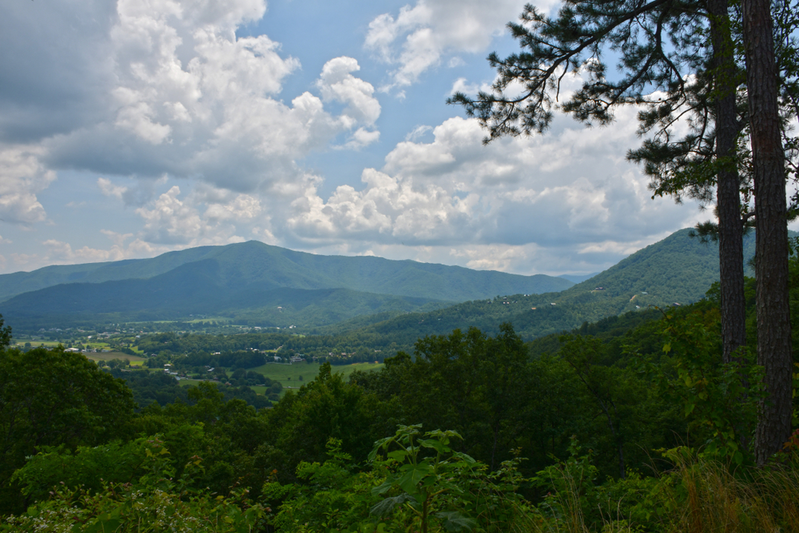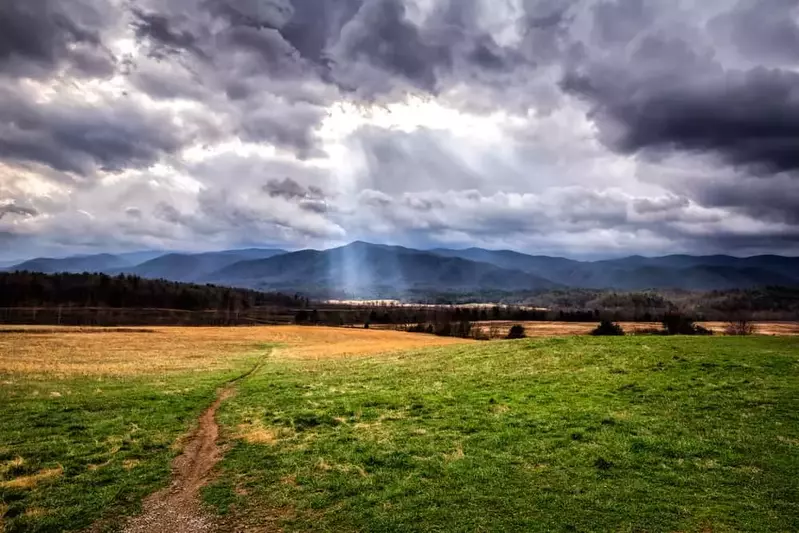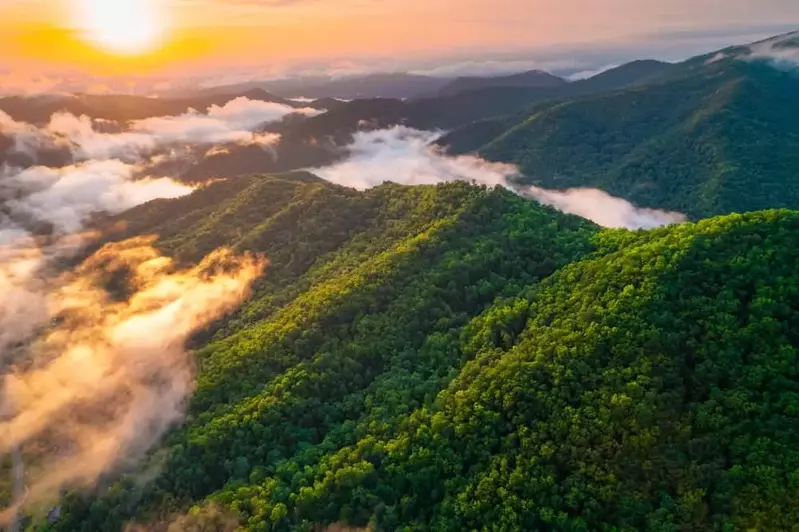
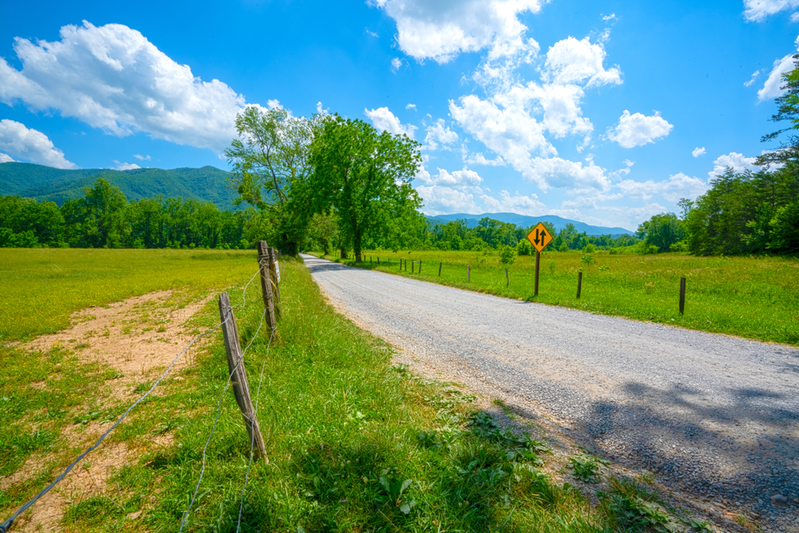
Great Smoky Mountains National Park averages about 11 to 12 million visitors per year, making it the most-visited national park in the United States! While there is certainly never a bad time to experience the park, the summer months are especially busy due to school breaks, and October is popular as it draws leaf peepers to see the fall foliage. If you ever wondered what the best time is to drive Cades Cove Loop Road or to find parking at the most popular trails, you’ll want to visit during the slower seasons! Here are the top 4 reasons to visit Great Smoky Mountains National Park during a slow season:
1. Fewer Crowds Throughout the Park
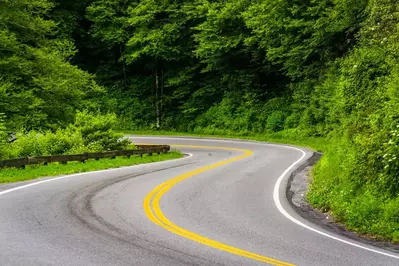
The obvious benefit of visiting Great Smoky Mountains National Park during the slower seasons is fewer crowds! While the Smokies welcome visitors year-round, fewer visitors tend to come January through March and September through early fall. Weekdays are especially quiet during these times, making it easy to find parking spots at trailheads and enjoy peaceful hikes without much foot traffic. As a bonus, you can find pleasant weather during these periods that makes it perfect for exploring the great outdoors!
2. Budget-Friendly Rates at Nearby Accommodations
Another one of the top reasons to visit Great Smoky Mountains National Park during slower seasons is to take advantage of the budget-friendly rates at accommodations throughout Pigeon Forge and Gatlinburg! As a result of lower demand, hotels, condos, and cabins work to reach occupancy by offering some of their best deals of the year! Keep your eye out for discount specials and extended-stay promotions so that you can push your vacation budget much further than during the peak seasons!
3. Unique Seasonal Highlights
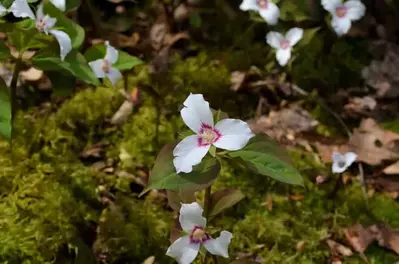
Oddly enough, the slower seasons in the Smokies offer some of the most unique seasonal highlights of the year! In March and April, you’ll have the opportunity to see gorgeous displays of trillium, phacelia and other wildflowers across the forest floor! This is also the time when milder weather returns to the Smoky Mountains to wake up black bears and migratory birds, making it an ideal time for animal sightings! Meanwhile, September and October mark the elk rut in the Cataloochee Valley where bugling males can be heard and observed at dusk!
4. Best Photo Opportunities
Whether you are an amateur photographer armed with a cell phone or a shutterbug with the latest high-tech camera, you’ll find some of the best photo opportunities of the year during this time! Waterfalls, historic sites, and other landmarks in the national park are free of dense crowds so that you can easily capture that amazing photo to impress your family and friends back home! The spring and autumn sun also sits lower in the sky, creating longer shadows and dramatic lighting for photography!
If you are unable to visit Great Smoky Mountains National Park during the slower seasons, there is no need to worry! There are always ways to help beat the crowds — just take a look at these top 3 ways to avoid the peak crowds at Great Smoky Mountains National Park!